Six themes we return to again and again. Combine them, or choose one and go deep. Every programme is shaped to your guests.
Temples and temple stay
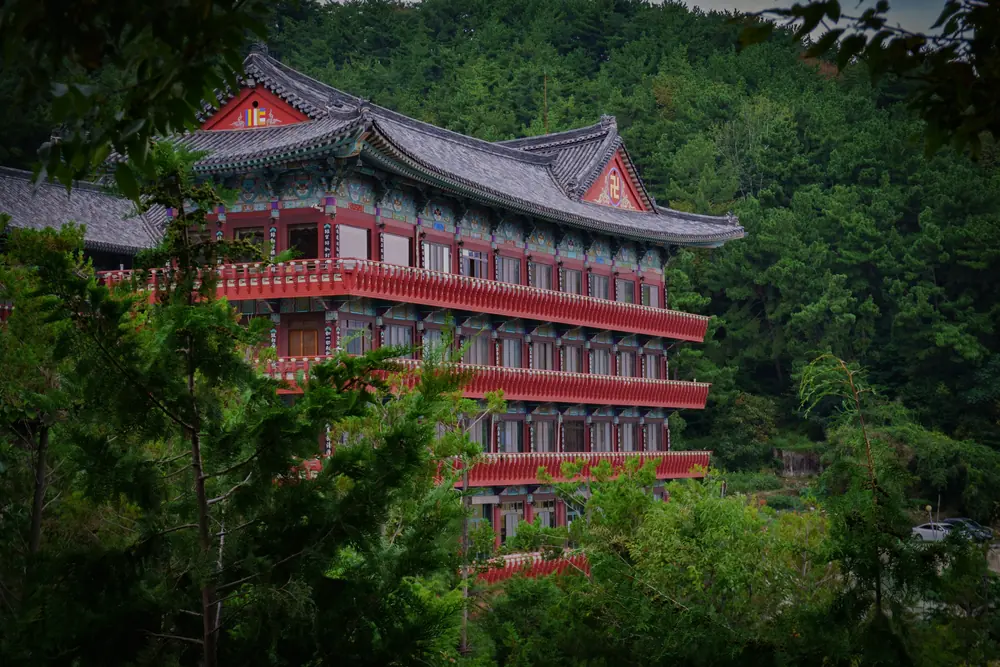
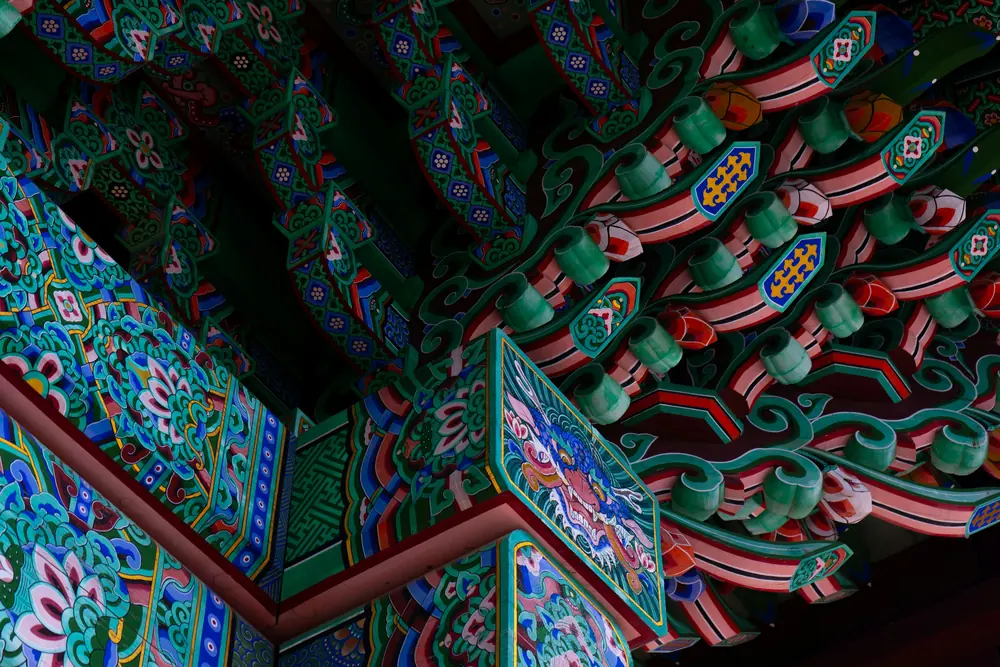
Buddhism has been part of Korean life for well over a thousand years, and many temples still stand in the mountains where they were first built. Seven of these mountain monasteries are together listed as a UNESCO World Heritage Site.
A temple stay lets guests experience a monastery from the inside: morning chanting, meditation, a simple temple meal and a cup of tea with a monk or nun. Temples welcome visitors of any faith, or none.
Overnight temple stay with evening and dawn routines
Temple food tasting or a cooking session
Walking between temples on forest paths
Good to knowTemples are places of worship as well as hosts. Rooms are simple, guests usually sleep on heated floors, and quiet hours are kept. We confirm each temple's facilities and language support in advance.
Hanok and heritage villages
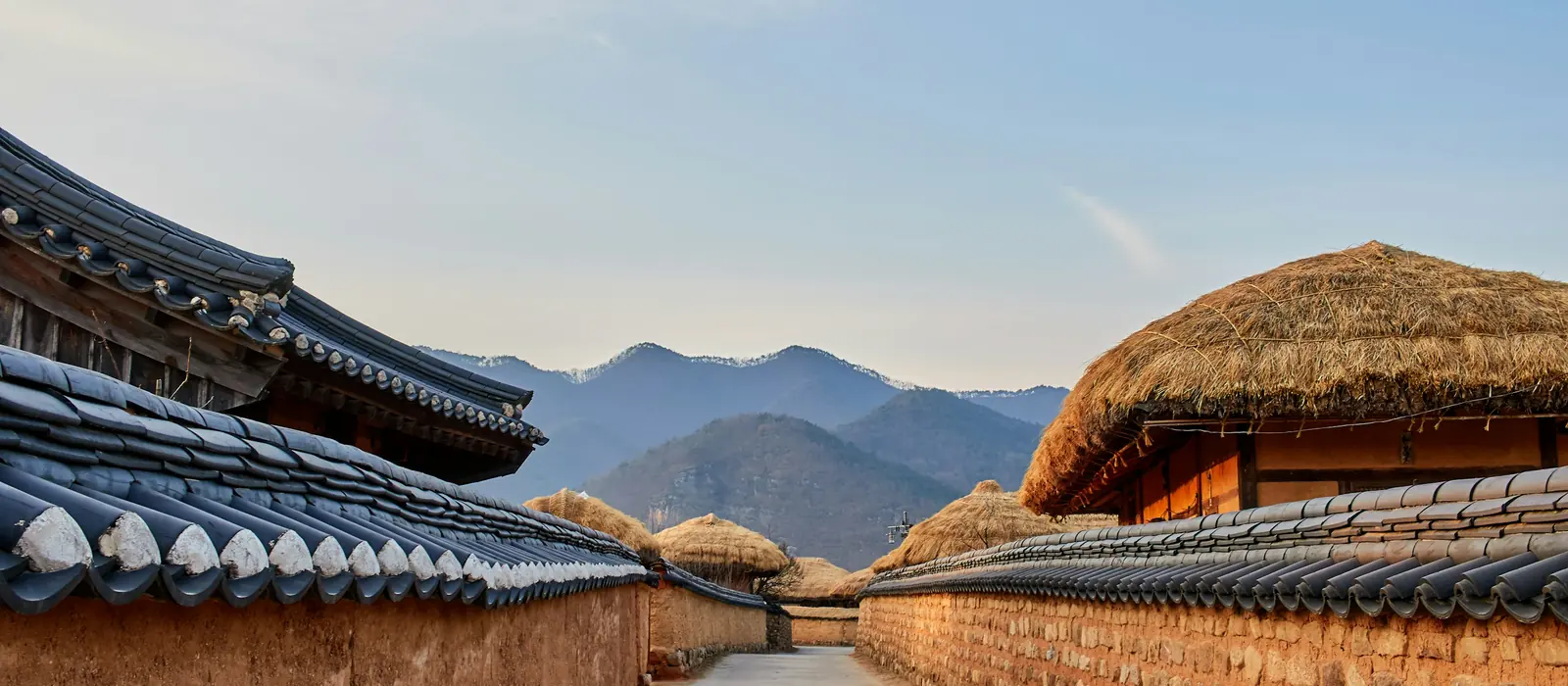
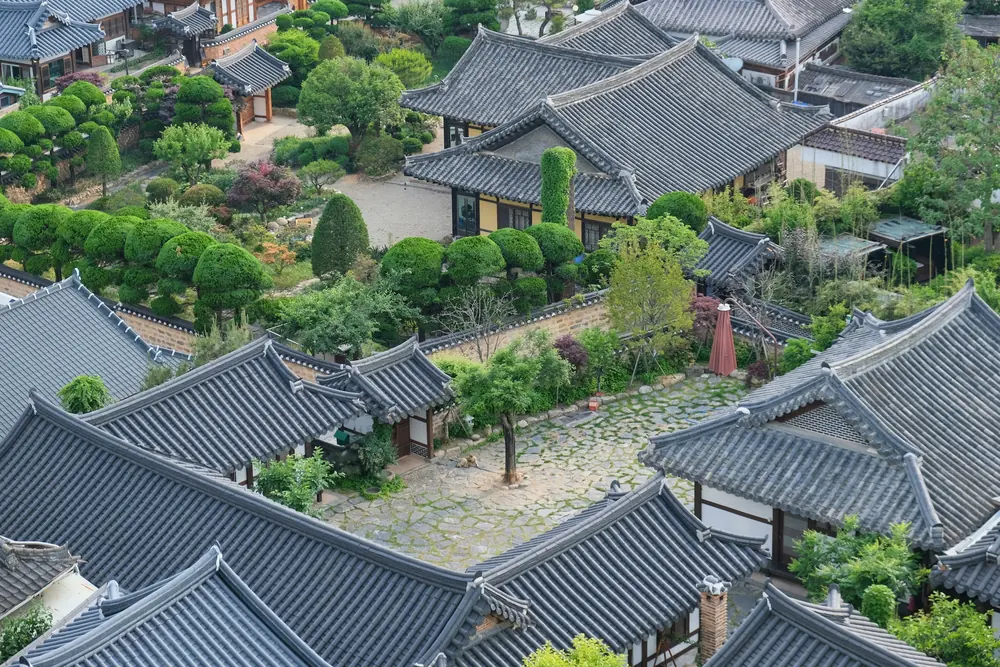
Hanok are traditional Korean houses with curved tiled roofs and underfloor heating. In Seoul, Jeonju and Andong, whole streets of them are still lived in. Hahoe Folk Village near Andong and the historic areas of Gyeongju are both UNESCO World Heritage Sites.
A night in a hanok, with breakfast served in the courtyard
Walking the old lanes of Bukchon, Jeonju or Hahoe with a local guide
Gyeongju's royal tombs, temples and museums at an unhurried pace
Good to knowMany hanok have sleeping mats on the floor, raised thresholds and small bathrooms. We describe each stay honestly so you can match it to your guests.
Food and traditional drink
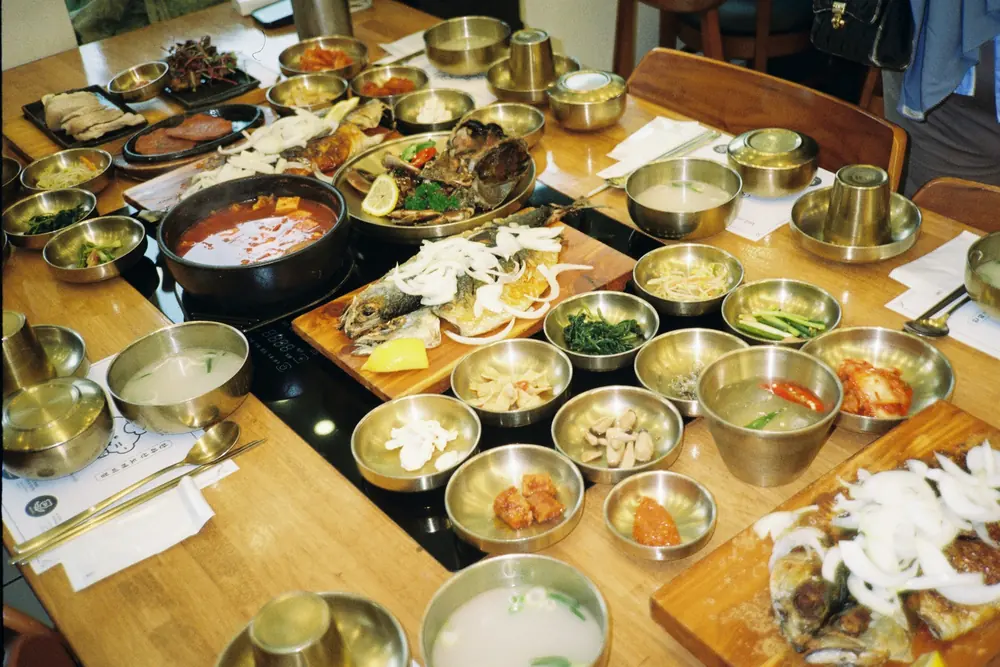
Korean food rewards curiosity: market stalls, seasonal side dishes, temple cooking and the home tradition of kimjang, the autumn kimchi making that is recognised by UNESCO as intangible cultural heritage.
For something to sit beside a glass of wine, there is makgeolli, a lightly sparkling rice drink, and a growing craft scene of small breweries and distilleries.
Guided market walk and tasting
Royal court cuisine or home-style cooking class
Brewery visit and tasting, where available, for guests of legal drinking age
Good to knowVegetarian and vegan travellers are welcome, though broth and fish sauce appear in many dishes, so we plan these meals in advance. Please tell us about allergies and dietary needs early.
Walking and nature
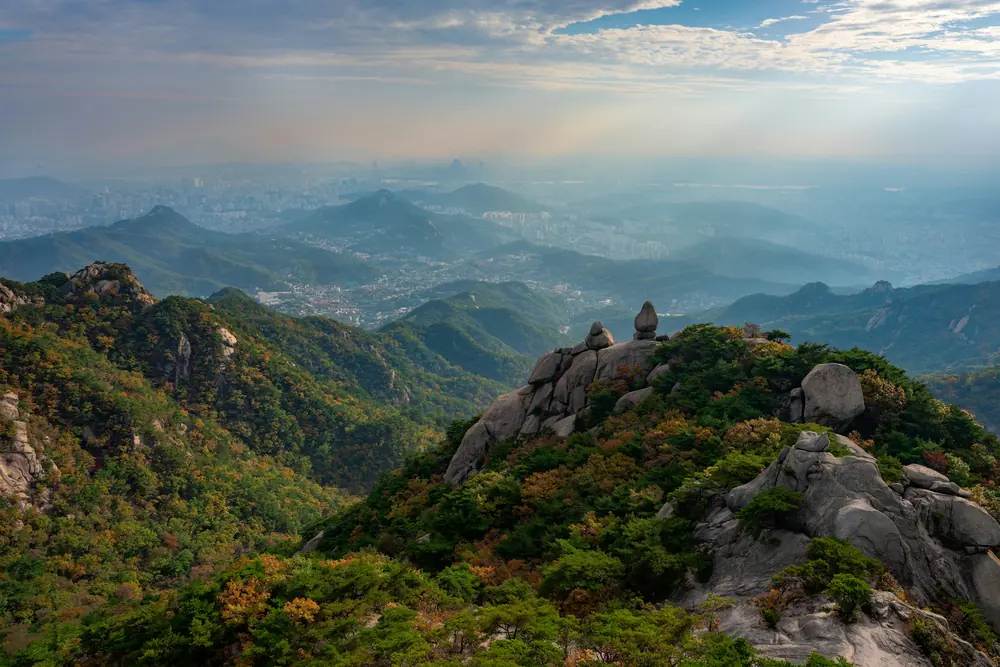
About two-thirds of Korea is mountainous, and the walking is rewarding at every level: granite ridges in Seoraksan, the long forest tracks of Jirisan, the coastal paths of Jeju's Olle trails, and the old fortress wall that loops through Seoul.
Easy half-day walks on city walls and forest paths
Full-day mountain hikes with a local guide
Multi-day walking with luggage moved ahead, where the route allows
Good to knowAutumn colour and spring blossom are popular and busy. Summer brings a rainy spell, usually from late June into July, and winter can be cold and clear. We suggest dates and routes with the season in mind.
History and the DMZ
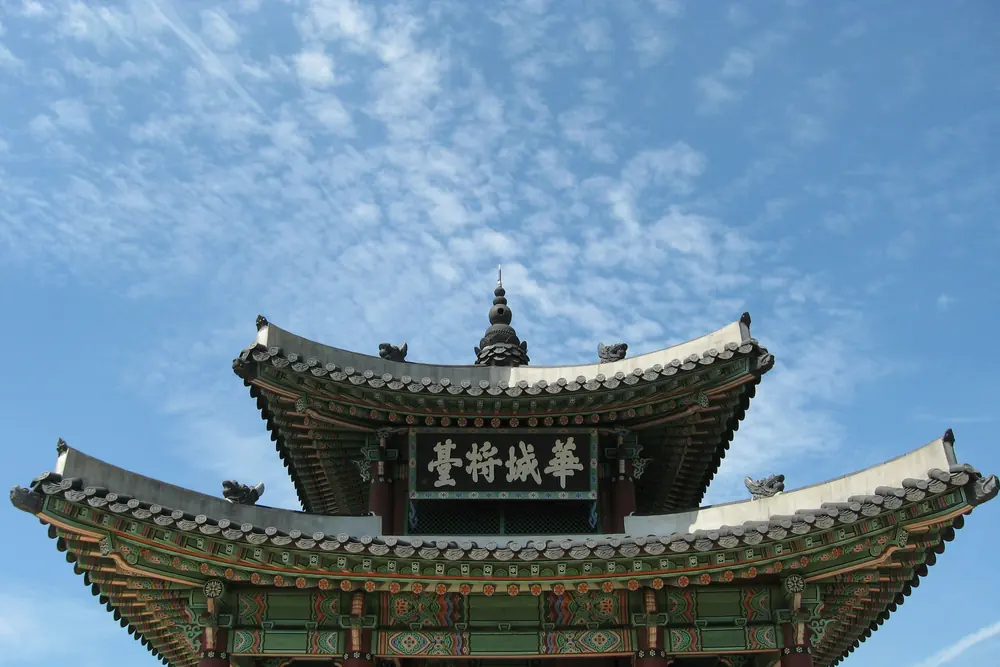
Korea's story is visible in its royal palaces, shrines and fortresses: Changdeokgung Palace, Jongmyo Shrine and Hwaseong Fortress in Suwon are all World Heritage Sites. It is also the story of a divided peninsula, which many guests wish to understand.
Visits to the Demilitarized Zone take place on organised tours. We present the subject with care and let the history speak for itself.
Palace and shrine visits with an expert guide
A day on the walls of Hwaseong Fortress
War memorial museum visit and a DMZ-area tour, arranged with advance planning
Good to knowAccess to the DMZ area depends on advance registration and on security conditions on the day. We confirm what is possible when we plan your dates.
Crafts and living culture
Korean craft is still a working tradition. The ceramics towns of Icheon and Yeoju carry on the celadon and white porcelain heritage, hanji paper is still made by hand, and on Jeju the haenyeo, the women divers, are recognised by UNESCO for their way of life.
Pottery workshop in a working studio
Hanji paper making and a traditional tea ceremony
Meeting artisans and, where it feels right, community members who keep local traditions alive
Good to knowThese are real working lives, so we arrange visits with the people involved and keep groups small.